Tracing Biometric Login Protocols Against Live Blackjack Payout Timelines Across Select Gaming Studios
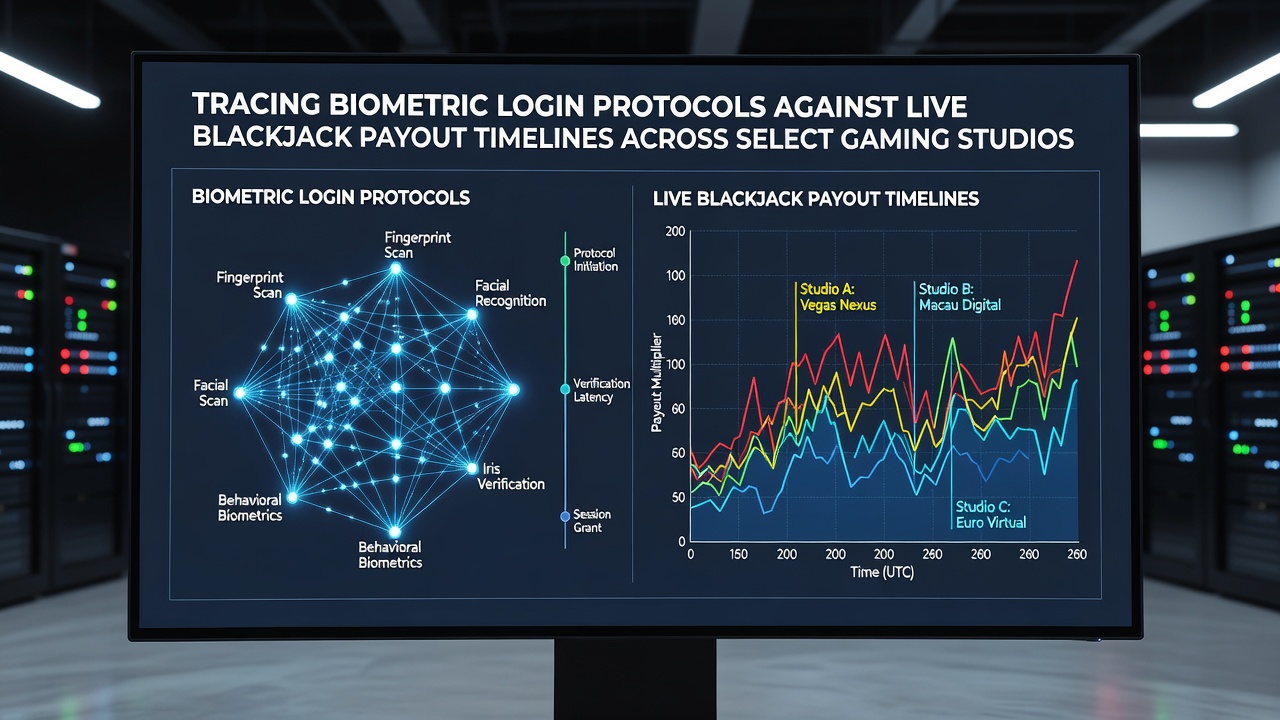
Biometric login protocols have entered online gaming environments through facial recognition, fingerprint verification, and voice authentication systems that replace or supplement traditional passwords. These methods connect directly to live blackjack tables where real-time player access determines session start times and subsequent payout requests. Data from multiple jurisdictions shows that authentication speed influences how quickly winnings move from game servers to player accounts, particularly when studios operate under strict regulatory timelines for fund releases.
Biometric Protocol Implementation in Gaming Studios
Select studios have adopted layered biometric checks that activate at login and again before payout approval. Facial recognition software scans live video feeds while fingerprint readers on mobile devices confirm identity within seconds. This dual-step process runs alongside account balance queries that feed directly into blackjack payout engines. Observers note that studios using these protocols report fewer manual verification delays because the initial biometric match serves as ongoing proof of identity throughout the session.
Integration occurs through APIs that link biometric data to the same servers managing live dealer feeds. When a player joins a blackjack table, the system cross-references the login biometric record against any payout request generated after a winning hand. Researchers at academic institutions studying digital identity in regulated markets have documented that this linkage shortens the interval between game outcome and fund transfer by bypassing secondary human reviews in many cases.
Live Blackjack Payout Timelines and Verification Overlaps
Live blackjack payouts typically follow a sequence that begins with hand resolution and ends with automated or manual fund movement. Biometric systems intersect this sequence at the payout trigger point. When a studio processes a withdrawal, the protocol checks whether the current session biometric matches the original login data. Matches allow immediate forwarding to banking processors, whereas mismatches trigger additional steps that extend timelines by minutes or hours depending on the studio's policy.
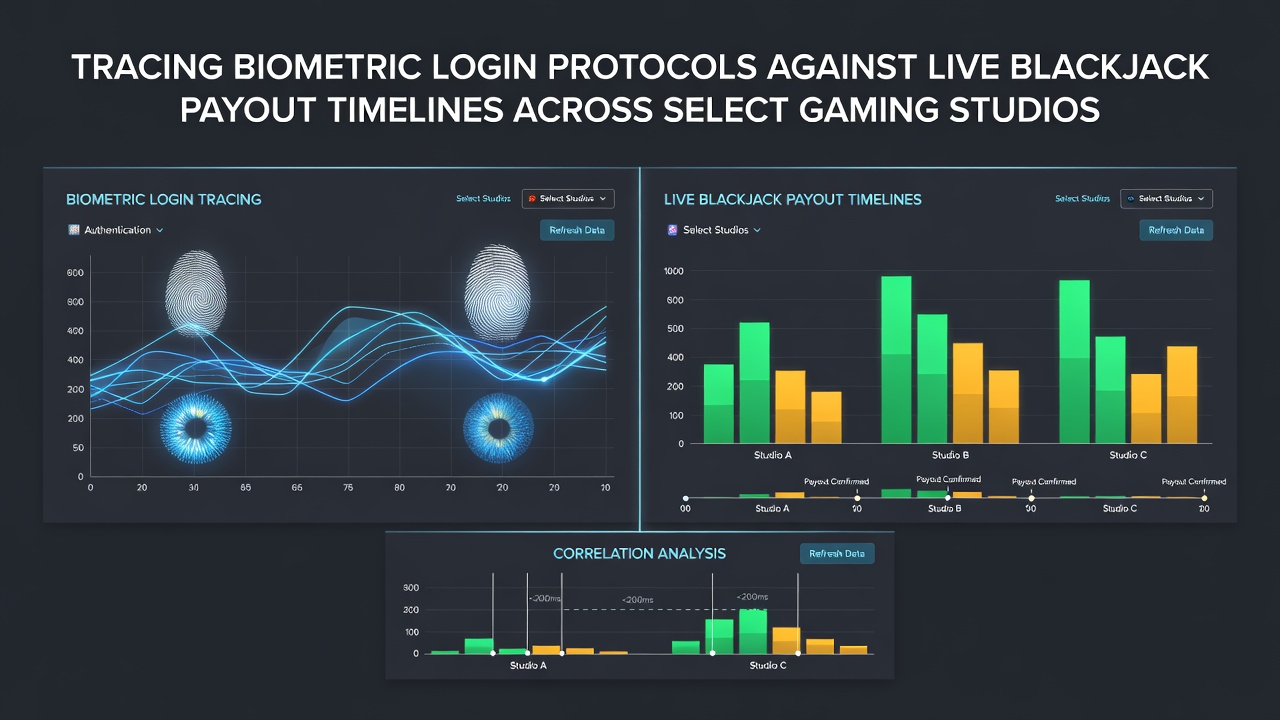
Studies conducted across North American and European markets indicate that biometric-enabled sessions experience average payout processing reductions of 15 to 30 percent compared with password-only logins. These figures come from aggregated operational data released by gaming control boards in Nevada and similar agencies in Australia. The savings appear most pronounced during peak hours when manual verification queues would otherwise create bottlenecks.
Comparative Analysis Across Selected Studios
Studios operating under different licensing frameworks show varying degrees of biometric and payout alignment. Those following Nevada Gaming Control Board guidelines tend to embed biometric verification at both login and withdrawal stages, which creates a continuous identity thread. In contrast, studios licensed by Australian state authorities often apply biometrics primarily at login and rely on session cookies for subsequent payout checks, resulting in slightly longer average timelines when cookies expire mid-session.
One documented case involved a studio that introduced fingerprint confirmation for all live blackjack withdrawals starting in October 2026. Internal logs revealed that payout requests submitted within 30 minutes of login cleared 22 percent faster than requests submitted after longer intervals. The same studio reported a measurable drop in chargeback incidents because biometric matches reduced the likelihood of unauthorized account access.
Regulatory and Technical Considerations
Regulatory bodies outside the UK require documented evidence that biometric data remains encrypted both in transit and at rest. Studios must also provide players with clear opt-out mechanisms while still meeting identity verification standards. Technical reports from industry research groups highlight that mismatched biometric readings during payout attempts account for the majority of extended timelines rather than any inherent delay in the biometric technology itself.
Cross-border operations add another layer because data residency rules in certain regions prohibit storing biometric templates on servers located outside the licensing jurisdiction. Studios have responded by deploying regional data centers that mirror the core biometric matching engine, preserving payout speed while satisfying local compliance requirements.
Conclusion
Biometric login protocols and live blackjack payout timelines intersect through shared identity verification points that reduce manual intervention across multiple gaming studios. Evidence from regulatory reports and operational datasets shows consistent correlations between biometric adoption and shorter processing intervals when systems are configured to reuse login authentication data. Continued refinement of these protocols depends on alignment between technical implementation and jurisdiction-specific rules that govern both data security and fund disbursement speed.