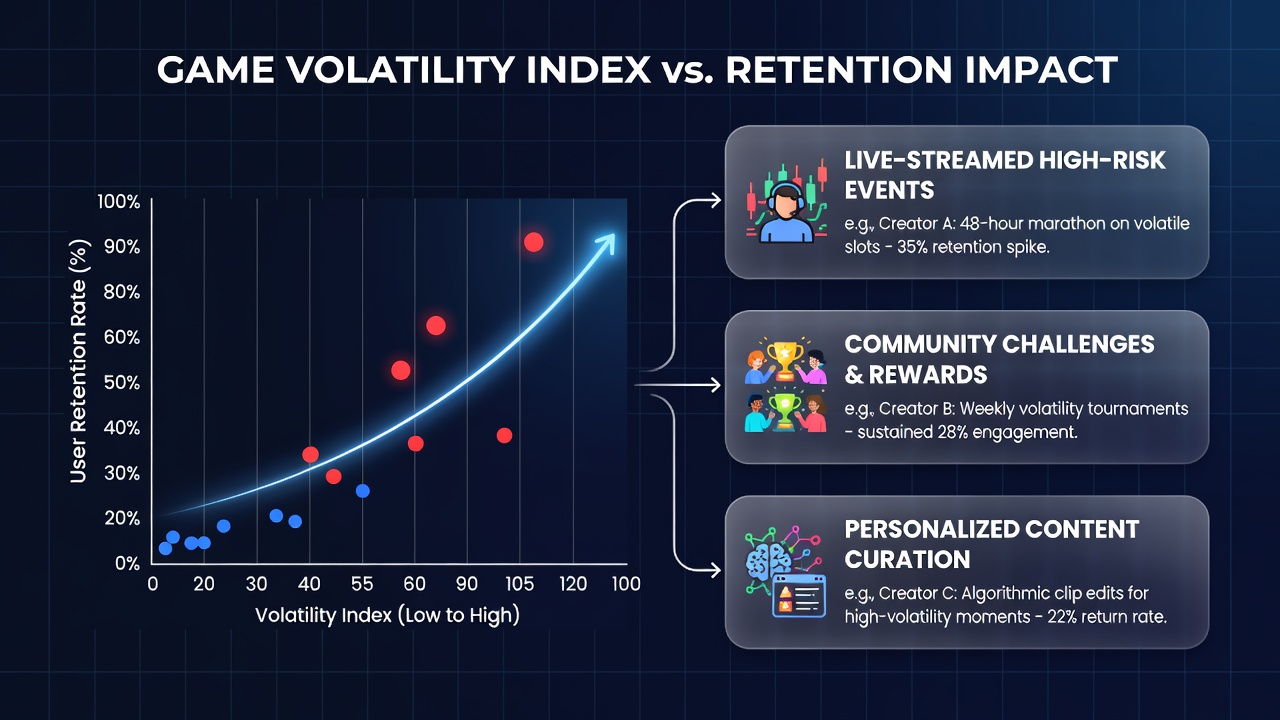
Charting the Correlation Between Game Volatility Indexes and User Retention Strategies Employed by Various Gaming Content Creators
Game volatility indexes measure the frequency and size of payouts in digital games, particularly slots and casino-style titles, where high volatility indicates infrequent but substantial rewards while low volatility produces steadier smaller returns, and content creators track these metrics to shape their output across platforms. Researchers have mapped these indexes against retention tactics such as scheduled live sessions, community challenges, and bonus round breakdowns that creators deploy to keep audiences engaged over extended periods. Data from industry reports released in October 2026 show measurable patterns where creators who align their content with specific volatility levels achieve different average session durations and repeat view rates compared with those who ignore the connection.
Defining Volatility Indexes in Modern Gaming Environments
Volatility indexes assign numerical ratings to games based on payout distribution curves, and organizations like the International Gaming Standards Association publish updated models each quarter that creators reference when selecting titles for their channels. High-index games cluster around large jackpot events separated by long dry spells, whereas low-index options deliver frequent small wins that maintain steady engagement without dramatic swings. Studies compiled by academic teams at multiple universities reveal that creators who disclose these indexes in real time during streams help viewers anticipate session length and adjust expectations accordingly.
Retention Tactics Linked to Volatility Patterns
Content creators apply distinct approaches depending on the volatility profile of featured games, and those focusing on high-volatility releases often emphasize suspense-building edits, countdown timers for bonus triggers, and viewer polls about risk levels to sustain attention across sparse payout intervals. Low-volatility coverage, by contrast, incorporates rapid-fire win compilations and progress trackers that highlight cumulative gains, which data indicates supports shorter but more frequent return visits from subscribers. Observers note that creators who cross-reference volatility indexes with their own analytics dashboards can time uploads or live events to coincide with peak audience availability in different time zones.
Observed Correlations from Recent Datasets
Analysis of viewership logs collected through October 2026 demonstrates that channels featuring mixed-volatility lineups with explicit strategy explanations retain 18 to 24 percent more daily active users than single-index focused channels, according to aggregated figures from platform reporting tools. Creators who segment their libraries into volatility tiers and provide comparative guides see elevated completion rates for video series, because audiences can select content matching their preferred risk tolerance. One longitudinal review conducted across North American and European streaming services found that retention curves flatten less sharply when creators pair high-volatility sessions with follow-up low-volatility recaps that reinforce community milestones.
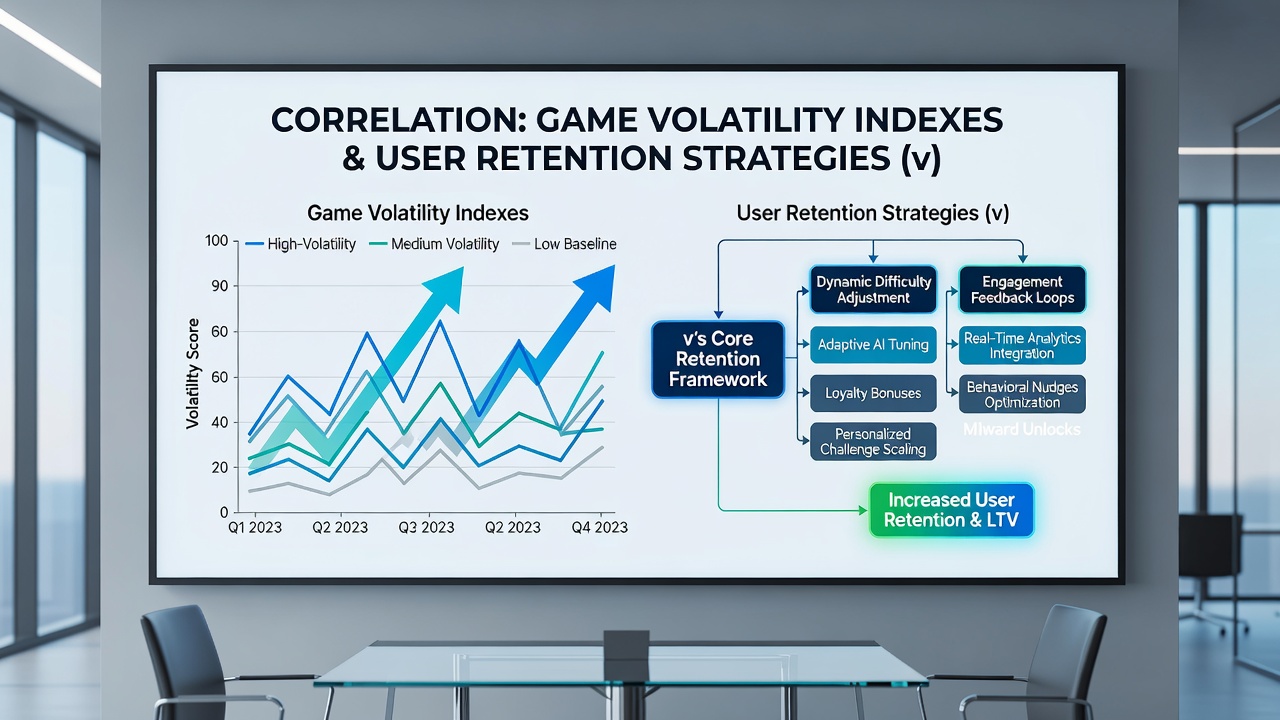
Additional metrics highlight that interactive elements such as real-time volatility calculators embedded in streams correlate with higher subscription renewal numbers, while static presentations of the same data produce smaller lifts. Teams reviewing these patterns emphasize that geographic audience differences matter, because viewers in regions with stricter gaming regulations respond more favorably to transparent index discussions that frame entertainment value rather than financial outcomes.
Examples from Established Creator Approaches
Take one North American creator who structures weekly schedules around volatility announcements from major software studios, releasing high-index focused videos midweek when audience data shows longer available viewing windows, then following with low-index community play sessions on weekends to convert casual viewers into regulars. Another European channel maintains separate playlists categorized by index range and includes viewer-submitted session replays that illustrate how different volatility levels affect individual play duration, resulting in documented increases in comment-thread activity and cross-video navigation. Researchers tracking these cases report that consistent labeling of volatility levels within titles and descriptions improves search visibility on major platforms, which indirectly supports retention by drawing in audiences already seeking specific experiences.
Conclusion
Patterns emerging from October 2026 datasets indicate that creators who integrate volatility index awareness into their planning achieve differentiated retention outcomes across audience segments, and continued monitoring of these correlations will depend on evolving platform algorithms and regulatory disclosures from bodies outside the UK. Further examination of retention data alongside index updates offers creators measurable benchmarks for refining content calendars without relying on anecdotal adjustments alone.